Ch. Karnchang Already Causing Food Insecurity Near Xayaburi Dam Site
Construction on the controversial Xayaburi Hydropower Project just recently began, but local communities have already felt the impacts. In June, we traveled down the Mekong River in Laos for five days to visit 15 of the villages near the dam site. Despite the Lao government’s high hopes for the project, we found that Thai dam builder Ch. Karnchang has already placed the future of one village in jeopardy. People in other villages are confused and concerned about what lies ahead.
In January 2012, Ch. Karnchang relocated the 333 people of Houay Souy village away from the dam site so that construction could begin. The resettlement was a poorly managed process that left the villagers without enough food and income. While the Lao government has told neighboring countries that the dam is postponed, Ch. Karnchang has informed two more villages that they will be resettled by next January.
One village resettled already
The people of Houay Souy were moved to a newly constructed village on the outskirts of Xayaboury city about 17 km away from their old home. We visited the resettlement site to learn how people were adjusting to their new lives. At first glance, the new Houay Souy appears to be a “modern” community – neat and orderly streets, two-floor houses, and electricity wires connected to every house.
But when we spoke with villagers, a bleaker picture emerged. The resettled families are completely dependent on whatever food, jobs, and money that Ch. Karnchang offers them. So far, many of the company’s promises have been broken. The company moved the villagers into half-completed houses, leading people to spend their compensation money to finish the work themselves. In the rush to build the houses, the company used soft wood that is already bending and cracking and in some cases infested with termites. Before the villagers moved, the company promised one year of free electricity to help them adjust to their new lives, but then changed its mind after the resettlement took place. The company sent villagers electricity bills after only one month, which they refused to pay. The villagers find themselves struggling with unexpected expenses, such as the cost of transportation to the Xayaboury city market and monthly water bills, which the company does not cover.
Ch. Karnchang provides a monthly allowance of 120,000 kip (about $15) to each person, and has provided each family with a single source of income, such as raising ducks or growing mushrooms. All of the families we interviewed said this was not enough to sustain a living. Villagers can no longer catch fish from the Mekong, grow fruits and vegetables in riverside gardens, or gather forest products. The sudden shock of starting a cash-based lifestyle with so little money to spend has been difficult.
The villagers are worried about finding enough food in the future. They used to grow their own rice, fruits, and vegetables, but are not allowed to access their land near the Mekong River. Traveling back to their fields requires special permission, which is rarely given, to pass through company checkpoints. Ch. Karnchang promised to provide each family with a modest 0.75 hectares of new land to grow crops, but has not yet done so. It is now too late to plant any crops this year. The new land, when it is ready, will be less than half the size of the 2+ hectares that most families once owned.
Plans to crowd people into "mega-villages"
People in other villages are fully aware of the stories coming out of Houay Souy, and several villages have sent representatives to visit the resettlement site. People living in Pak Mon and Houay Hip villages upriver of the dam site are particularly concerned. Not only will their riverbank gardens and fruit trees be flooded, but Ch. Karnchang plans to move three or four resettled communities into both villages. Numerous people expressed concern that there will not be enough land in these “mega-villages” to grow rice, fruits and vegetables. Farmland is scarce, as the villages are tucked between the steep mountains that sit on both sides of the Mekong River.
Tensions among local laborers
Ch. Karnchang recently hired a number of villagers as laborers at the dam site. Yet the jobs for unskilled workers are only temporary and the hours are long. Tensions exist between Thai and Lao laborers because wages are unequal. One Lao laborer, for example, told us that he earns 7,000 baht per month (about $220) while Thai laborers earn 13,000 baht per month (about $410) for the same work.
Nowhere to raise their concerns
The villagers have nowhere to turn with their grievances. When we asked if people were happy to move, the response was almost always: “we have no choice.” If they openly criticize the project they risk being thrown in prison or losing what little compensation they might otherwise receive. Ch. Karnchang has not provided a way for villagers to ask questions and raise concerns. Many people complained that each time the company visits a village, it changes the promises that it made before. People have lost trust in Ch. Karnchang.
Food security in Xayaboury province is fragile and closely linked to the Mekong River. The river provides fish, fertile gardens, sand and rocks to build homes, trees to build boats, and even small amounts of gold for a little extra income. To take this away is to fundamentally change the way that people live their lives. It is not so easy to uproot entire villages.
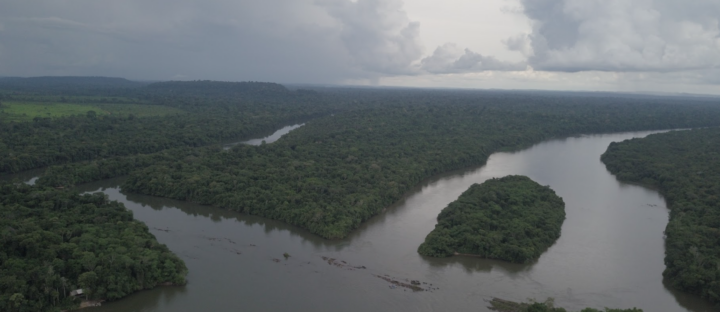
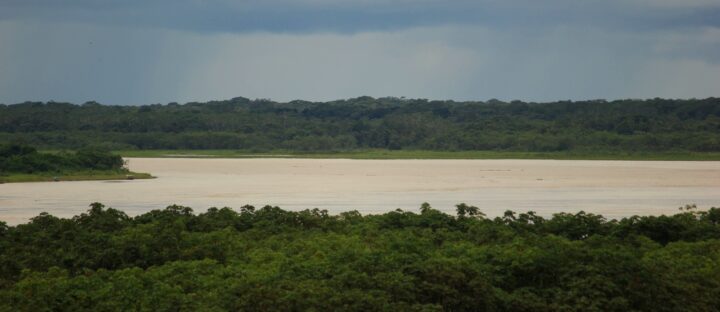
Photo essay: Life along the Mekong River near the Xayaburi Dam site
- Laos' work on the Mekong River draws criticism (BBC, 5 July 2012)
- Media Kit on the Xayaburi Dam
- Factsheet on the Xayaburi Dam


Comments
About Xayaburi Dam
Laos have got to do what Laos needs to do. Do not let this project delay any more. Laos needs this dam, so Laos can earn additional income to further development and get country out of poverty.
All Laotian people who are supporting the Mekong River Dams in L
To: All Laotian people who are supporting the Mekong River Dams in Laos
The Mekong River dams have an impact on the environment too much, and you will lose your river, fishes, forest, or the environment forever. I heard a lot people in America said “why don’t you go to tell Chinese to stop Mekong River dam”. Think twice before you say that because China is not member of Mekong River Commission (MRC). Do you not need to save your house from a fire first or you support a fire to burning your house?
Before you go out to tell the Chinese to stop dams in the Mekong River, look first at how it will affect the people living around the dams. Is the Mekong River is important to you and your family, please think about future of the Mekong River and what you will be gain or will be lost,
If you do not wake up, please look back more than 30 years ago and why you left Laos and came to United States of America or any other country. Make sure you look back and look long term and not short term; you need to respect yourself and not follow someone. How many dams in Laos are they planning to build? If you do not know, I would like you to know. There will be more than 70 dams planned to be built and there is no need to build on Mekong River.
Please, I ask you to save our land from outsiders who are planning to destroy our land; they are not coming to benefit the people. They are coming to make millions and leave the country in rubbish.
Are you still proud to be Laotian inside? If you are, then the Laos land needs to be saved.
I Respect you!
Khampoua Naovarangsy
May 5, 2012
Save Our Mekong River From Dams
http://khampoua.wordpress.com
Please save the Laos lands,
Please save the Laos lands, we need nature environment. It is important and necessary in the country. Construction is destroy their village. The Mekong River in Laos has 15 villages
near the dam site. It had 333 people of village away from the dam site.They are poorly without enough food and income. And one village resettled already. All the families was not enough sustain living.The villagers are worried about finding enough food in the future. please tell the chinese to stop dams in the Mekong River, respect our treasure. The Mekong River is important for we and the villagers people. And think about future of mekong River and what you will be gain or will be lost ,
about Xayburi Dam
Dear colleagues,
I was in the lower rreaches of the Mekong River in 2003, and I saw that the fish is the most people of food Cambodia. Therefore, I believe that the constrction ogf the dam must be immediately stopped. Only after ecological justification of project and refine the size of the dam, and degree of regulation of flow of work can be resumed.
Professor Boris Fashchevsky
about Xayburi Dam
yes, i support the demand ' The contraction of the dam must be stopped'
Add new comment