Fact sheet

The Amazon Under Threat: Damming The Madeira

Thursday, October 11, 2007
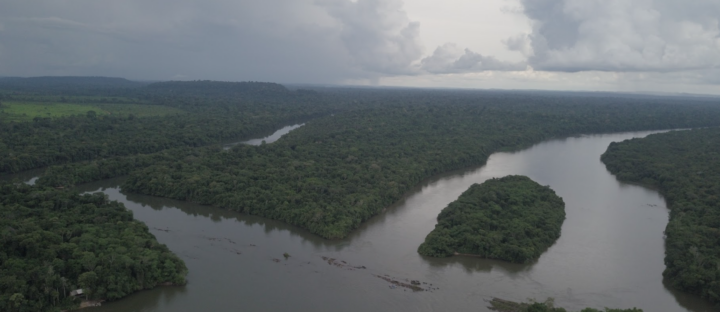
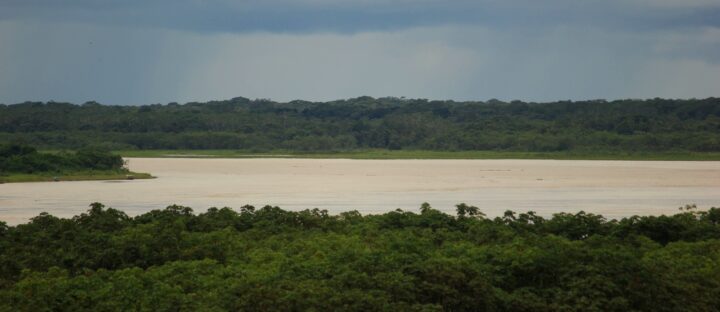
The Amazon is under threat. The Brazilian government is planning to build two massive dams on one of the Amazon’s most important tributaries, the Madeira River. The projects would threaten the river’s unique biodiversity, destroying habitat for fish, dolphins, parrots and a range of mammal species, and would affect the land and livelihoods of thousands of river bank dwellers and indigenous people.

The Lower Mekong Dams: A Transboundary Water Crisis

Monday, March 25, 2013
The governments of Laos, Cambodia, Thailand, and Vietnam are planning to build eleven large hydropower dams on the Lower Mekong River. If built, these dams would destroy the river’s rich biodiversity and threaten the food security of millions of people. This factsheet provides an overview of the controversy around the proposed dams.

Current Status of Dam Projects on Burma’s Salween River

Wednesday, March 13, 2013
In late February 2013, Burma’s Deputy Minister of Electric Power informed Parliament that six dam projects on the Salween River in Shan State, Kayah State (Karenni) and Karen State had gained approval. With a combined installed capacity of 15,000 MW, the projects will include the Upper Salween or Kunlong Dam, Mai Tong or Tasang Dam, Nong Pha Dam, Mantawng Dam (on a tributary), Ywathit Dam, and Hatgyi Dam. These projects are proceeding in areas where conflict is continuing between ethnic resistance forces and the Burmese Army, and are shrouded in secrecy. Investment for these projects will

The Salween River Basin

Friday, May 25, 2012
From its headwaters in the Tibetan Plateau to its estuary in Burma, the Salween River supports over ten million people. For many decades, it was the longest free-flowing river in Southeast Asia. It sustains rich fisheries and farmlands central to the lives of many indigenous communities living along its banks. However, large dam cascades in China and Burma are being planned in complete secrecy, with no participation from affected communities and no analysis of the cumulative impacts or seismic risks of these projects.

La gran estafa de las compensaciones de carbono

Monday, December 31, 2007
Con la excusa de promover el desarrollo sostenible, el Mecanismo de Desarrollo Limpio, el sistema más importante de compensación de carbono, se ha convertido en un juego sucio que aumenta las emisiones de gases de efecto invernadero. Se entregan miles de millones de dólares a las empresas químicas y a los promotores de represas destructivas y proyectos de combustibles fósiles. El rápido desarollo de la industria de los corredores y asesores de carbono presiona para que el MDL crezca y para que sus normas se debiliten aún más. Si nuestro deseo es mantener el apoyo público para consegu

Avances en el Campo de las Emisiones de Embalses

Tuesday, January 11, 2011
Un número grande y creciente de estudios científicos indican que los embalses, especialmente en los trópicos, son una fuente global significativa de contaminación por gases de invernadero. Instituciones importantes como la Asociación Internacional de Hidroenergía (International Hydropower Association) y la Convención Marco de las Naciones Unidas sobre el Cambio Climático (UNFCCC) han desarrollado directrices específicas para medir las emisiones de los embalses en el campo, aunque éstas no son obligatorias en países que realizan inventarios nacionales de gases de invernadero. Lea e

Wrong Climate for Big Dams

Thursday, November 3, 2011
Destroying Rivers Will Worsen Climate CrisisRead the full fact sheet: (English)(Spanish)(Portuguese)(Chinese)(Hindi)(Bangla)(German)(Urdu)(Russian) Proponents of large dams, hoping to capitalize on concern for climate change, are promoting a major expansion of large dams in developing countries. Yet large dams are highly vulnerable to climate change, which is changing rivers in ways we cannot predict. At the same time, healthy rivers are critical for helping people adapt to a changing climate. We need a water and energy revolution that dramatically cuts climate pollution and preserves the pla

Patagonia's Rivers at Risk

Patagonia's Rivers at Risk
Friday, June 24, 2011
Patagonia is a region of mystery and striking diversity, one of the precious few places on the planet where the array of natural beauty still defies humankind's imagination. But Patagonia is under threat by a proposal to build five dams on two of its wildest rivers. The dams would flood globally rare forest ecosystems and some of the most productive agricultural land in the area. The transmission line could require the world's longest clearcut. The government's approval of the dams' environmental studies in May 2011 set off major protests around Chile. What's Inside The Profiteers, The Pric

Greenwashing Dams

The HSAP: Weakening Global Dam Standards
Thursday, June 2, 2011
A dam industry effort threatens to greenwash dams and undermine the recommendations of the World Commission on Dams (WCD). The Hydropower Sustainability Assessment Protocol (HSAP) is a voluntary, non-binding auditing tool that allows dam builders to score the sustainability of their own dam projects. This civil society fact sheet examines how the HSAP works, its shortcomings, and why it could end up legitimizing destructive dams. The HSAP was created between 2007 and 2010 by the Hydropower Sustainability Assessment Forum (HSAF), an initiative of the International Hydropower Association (IHA),

Brazil Eyes the Peruvian Amazon

Site of the proposed Inambari Dam in the Peruvian Amazon
Wednesday, February 16, 2011
WILD RIVERS AND INDIGENOUS PEOPLE AT RISKThe Peruvian Amazon is a treasure trove of biodiversity. Its aquatic ecosystems sustain bountiful fisheries, diverse wildlife, and the livelihoods of tens of thousands of people. White-water rivers flowing from the Andes provide rich sediments and nutrients to the Amazon mainstream. But this naturally wealthy landscape faces an ominous threat. Brazil’s emergence as a regional powerhouse has been accompanied by an expansionist energy policy and it is looking to its neighbors to help fuel its growth. The Brazilian government plans to build more than 60

Pages

Subscribe to RSS - Fact sheet

Facebook

Twitter

Mailing lists

We offer many campaign-specific email lists to help you stay informed.

Sign up for urgent campaign actions and NewsStream: