
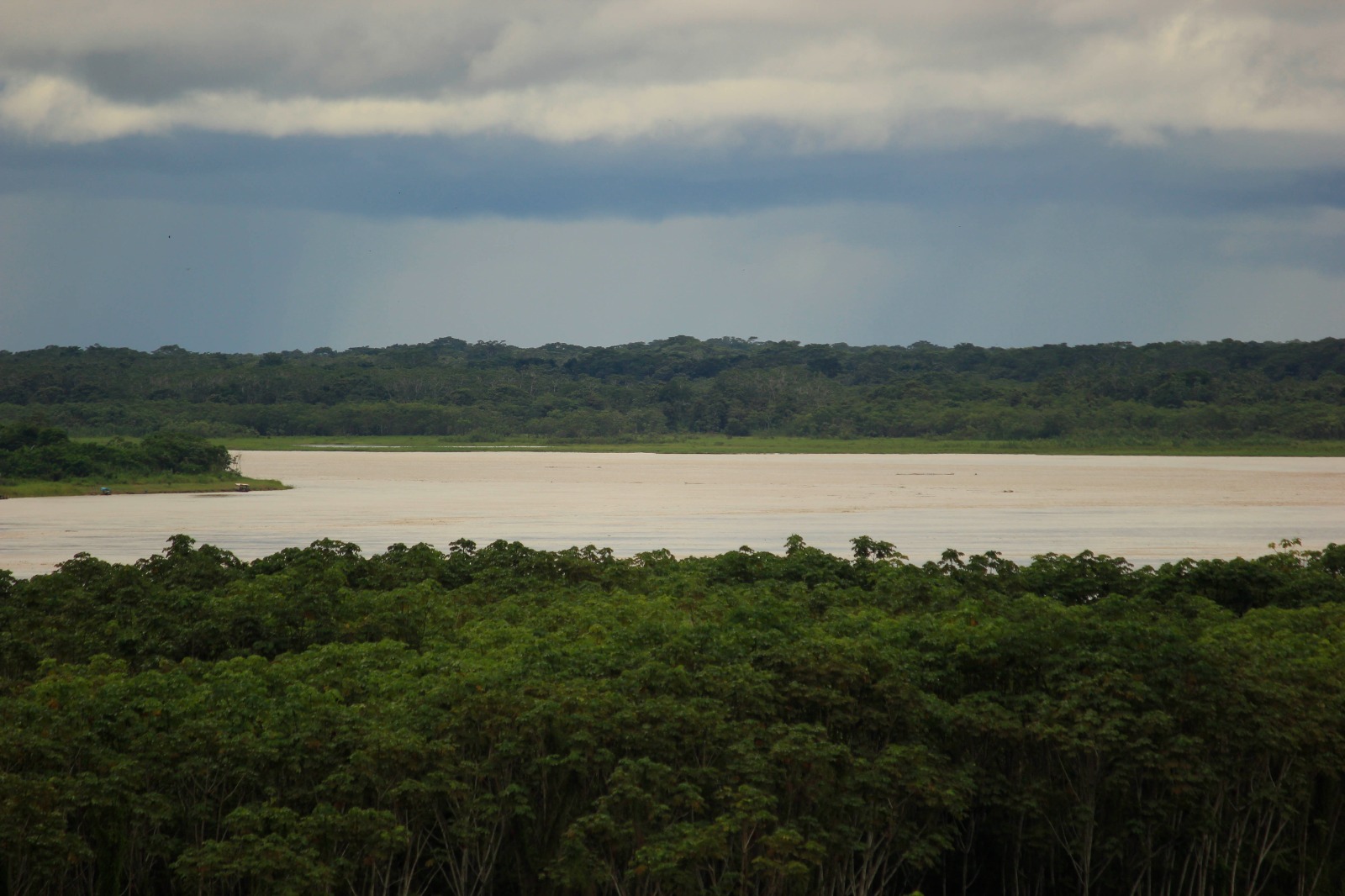
Along Peru’s Marañón River, the water carries fishing boats, sustains families and connects generations. For the Kukama people, it is also home to ancestors who remain present in dreams and everyday life.
That living relationship is what the women of Huaynakana carry into the courtroom.
With legal support from the Instituto de Defensa Legal (IDL), they have helped secure at least three legal victories defending their rivers and communities. Among them is the landmark 2024 judgment recognizing the Marañón and its tributaries as rights holders, a major achievement for a river threatened by oil spills and mercury pollution from illegal gold mining.
The judgment recognized Indigenous organizations and public institutions as the river’s guardians. It also required steps toward creating river basin councils with Indigenous decision-making power, comprehensive maintenance of the North Peruvian Oil Pipeline, and preparation and submission of an updated environmental management instrument within six months, with prior consultation with Indigenous organizations.
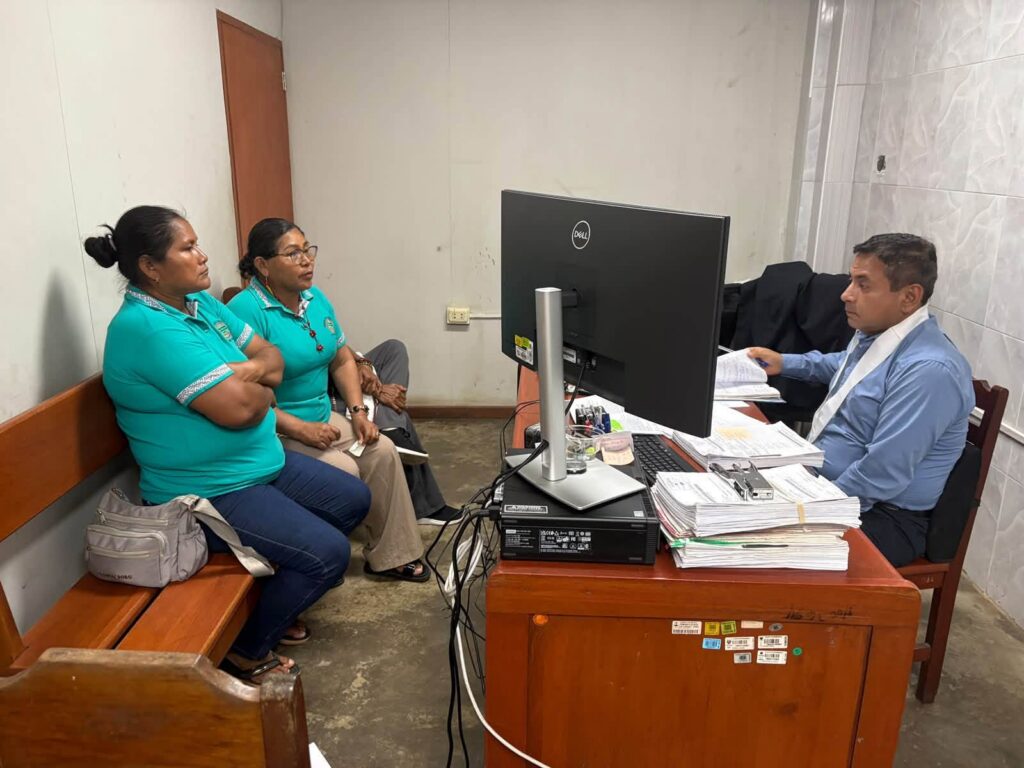
On October 28, the court held a follow-up hearing to review implementation. The women’s legal team identified three areas of noncompliance. They cited an Osinergmin report indicating that Petroperú had completed only 65% of the required pipeline maintenance and argued that the company had failed to update its environmental management instrument.
They also questioned the National Water Authority’s proposal to establish an Amazon River basin council through an agreement with Loreto’s regional government alone. The Marañón flows through several regions, and what happens upstream affects communities downstream. The team called for an interregional approach bringing together the relevant regional governments and Indigenous organizations to protect the Marañón and its tributaries.
The lawyers requested fines against the responsible officials at Petroperú and the National Water Authority. Mariluz Canaquiri and Gilda Fasabi addressed the court themselves, explaining that their communities are still waiting for the judgment to be fulfilled.
The women have won recognition for their river. Now they want to see the difference in the water their families drink, the fish they eat and the river that holds their history.