
Asia’s rich tapestry of cultures and unparalleled ethnic diversity are connected by important transboundary river basins, including the Mekong, Salween, Indus, and Ganges-Brahmaputra-Meghna. These rivers originate in the Himalayas and the Tibetan plateau, connecting ecosystems fed by glaciers and snowmelt to floodplains and major river deltas downstream.
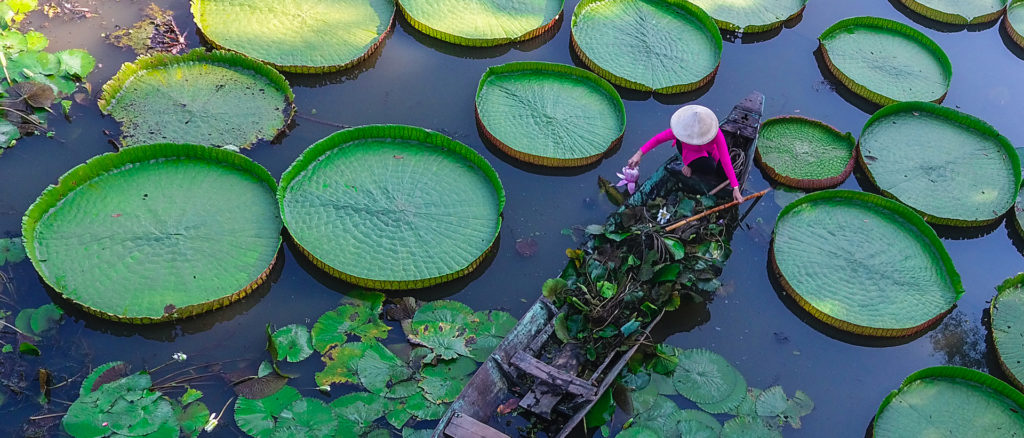
They support rich biodiversity, and the food, livelihoods and cultural systems of the region’s people are intimately connected with their flows. Large dams, ill-conceived infrastructure projects and climate change threaten to wreak havoc on these systems.
Our Work
We work closely with local communities to protect these sacred, productive and biodiverse rivers. We seek to ensure that women, indigenous peoples and ethnic minorities have their voices heard and rights respected in the decisions that affect their lives, and we build movements to stop destructive projects and promote a just energy transition.
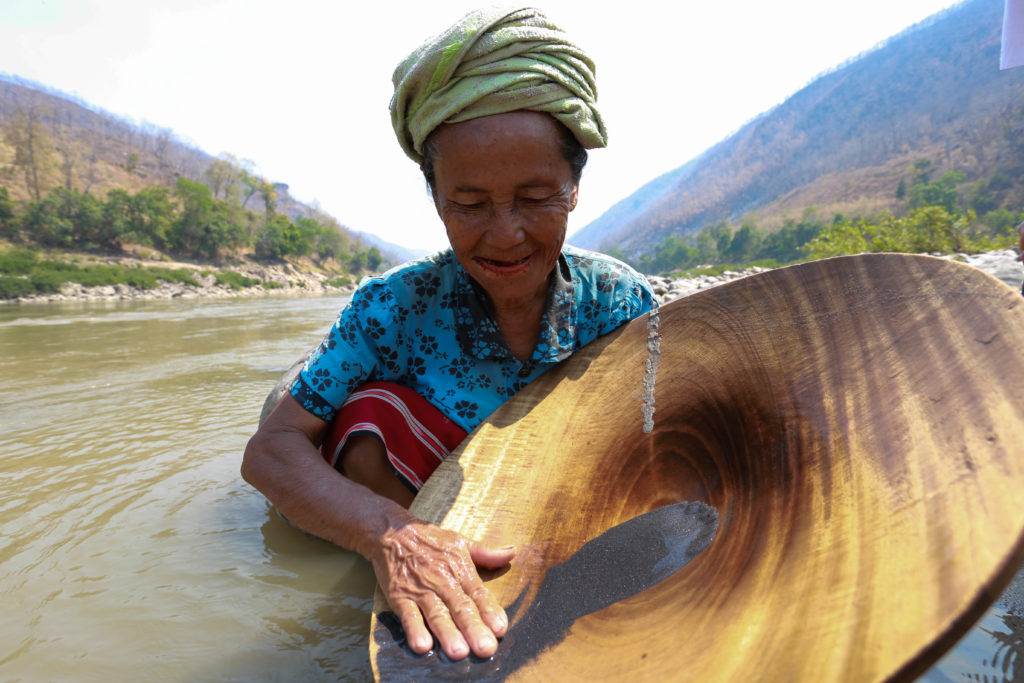
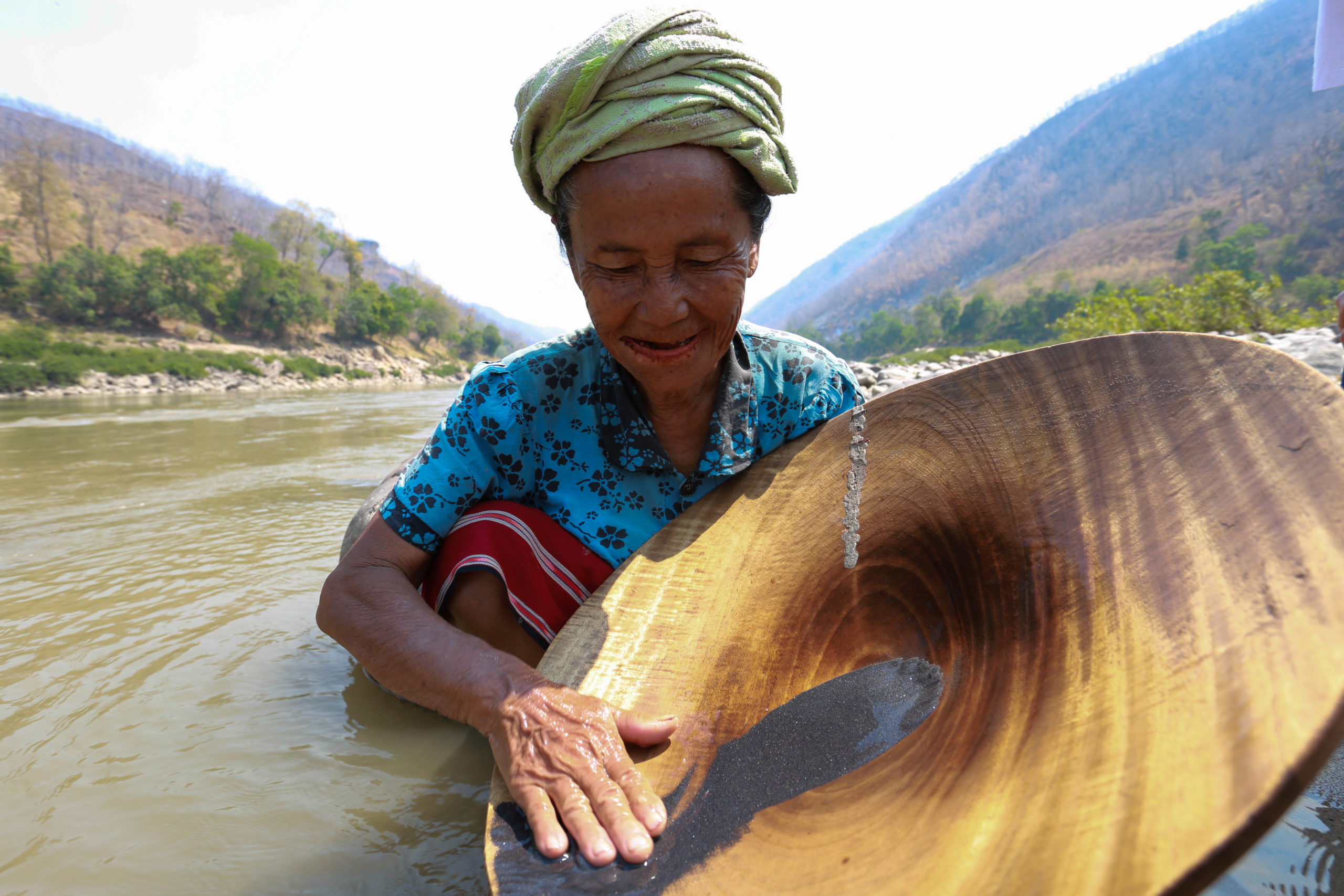
A woman pans for gold along the Upper Salween River| Photo by Pai Deetes, International Rivers 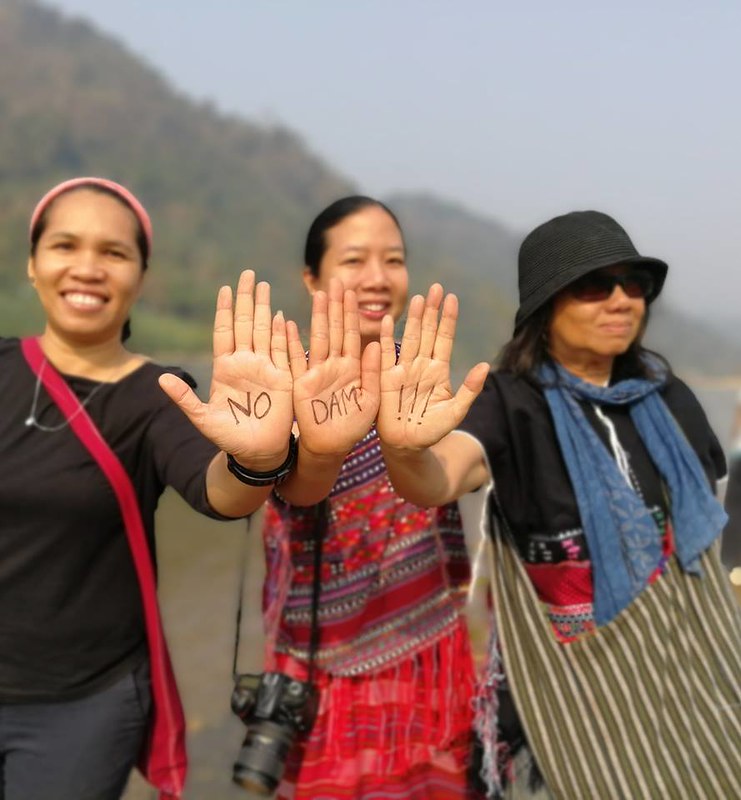
International Rivers’ Pai Deetes and partners at the Salween River, Day of Action 2018 |Photos by International Rivers
River Basins
Related Resources
Latest Updates
- STATEMENT | International Rivers statement on People’s Protest against militarization in the Siang River Basin in Arunachal PradeshMay 23, 2025 International Rivers stands in solidarity with communities in Upper Siang District in India’s Arunachal Pradesh as they peacefully protest the deployment of armed personnel in their villages….
- Despite Public Outcry, Thailand Appears Set to Give a Green Light to Sanakham Dam Development
 By Pai Deetes, Phairin Sohsai and Tanya Lee Roberts-Davis On December 17th, Thailand’s Office of National Water Resources (ONWR), in its role as the secretariat of Thai National Mekong Commission…
 - Thailand’s National Human Rights Commission Raises Serious Concerns about Impacts of Mekong River DamsBy Rin Sohsai In early October, the National Human Rights Commission of Thailand (NHRC) sent a letter to Thailand’s Prime Minister expressing serious concerns about the plans for four more…
- Placing the Interests of the Public and Planet at the Center of Thailand’s Power Development Plan 2024
 By Rin Sohsai and Tanya Lee Roberts-Davis. Originally published in the Bangkok Tribune. Opinion piece highlights are below. In the coming months, Thailand’s updated draft Power Development Plan (PDP 2024-2037)…