
“We do not just live near the river; we are of the river. To protect the water is to protect the health, heritage, and future of the Yamaye people.”
- The Yamaye Guani Council at Kaimanex Yuke, during a spiritual ceremony to celebrate their river – the Ama Caona (Rio Cobre)
Healthy, free-flowing rivers have always been critical for people and the planet. From providing fresh water and supporting biodiversity to regulating the climate and sustaining cultural traditions. But rivers worldwide are at risk – increasingly fragmented, polluted, and undermined by the impacts of climate change and irresponsible development projects. And when rivers are at risk, so are we and our collective future. Protecting our shared waters is our shared responsibility.
At the first international meeting of People Affected by Dams back in March of 1997 in Curitiba, Brazil, the International Day of Action Against Dams and For Rivers, Water, and Life was adopted by the participants. Representatives from 20 countries decided that an annual International Day of Action would take place on March 14 – Brazil’s Day of Action Against Large Dams. Twenty-nine years later, it’s still going strong.
This year, on March 14, river defenders around the globe rallied behind this year’s theme of “Protect Rivers, Protect People”. Communities and collectives organized over 75 events in more than 25 countries around the world. Thousands of people raised their voices, while celebrating their deep bonds with their rivers.
Here’s a snapshot of some of the issues highlighted by these events.
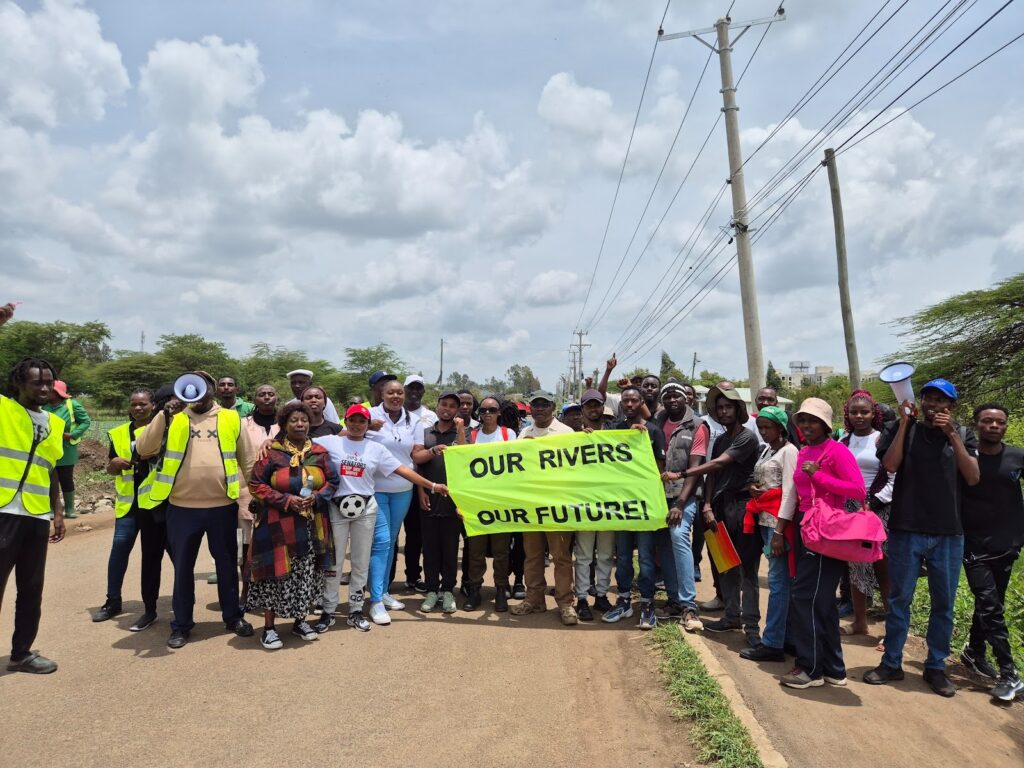
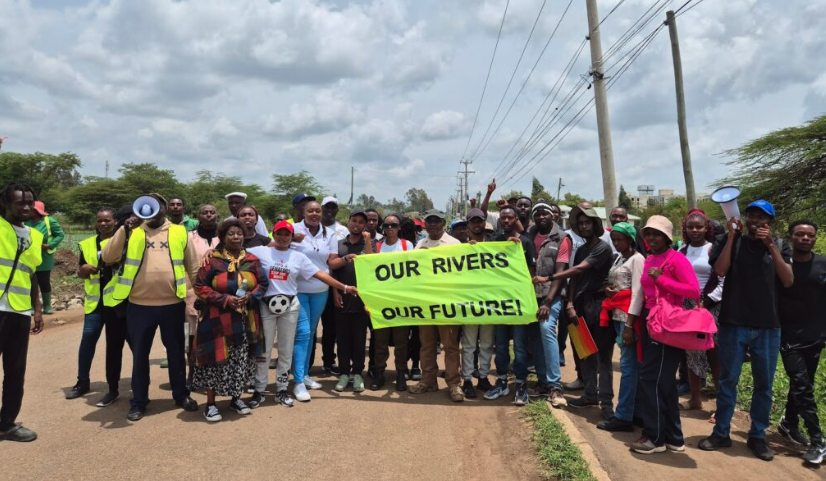
In Kiambu County, Kenya, the pollution of the Kiuu, a tributary of the Nairobi River has worsened due to untreated sewage, industrial discharge, and solid waste dumping that turned parts of the river into an open sewer. Recognising that the river is not just a stream, but a lifeline for present and future generations, Visionarians CBO (Community Based Organisation) along with partners and the local community marched along the river, tested its water, and gathered signatures for their petition to stop this pollution.
They issued a powerful statement: “Our rivers are our life. Our health is not disposable. Our future is not a dumping site”.
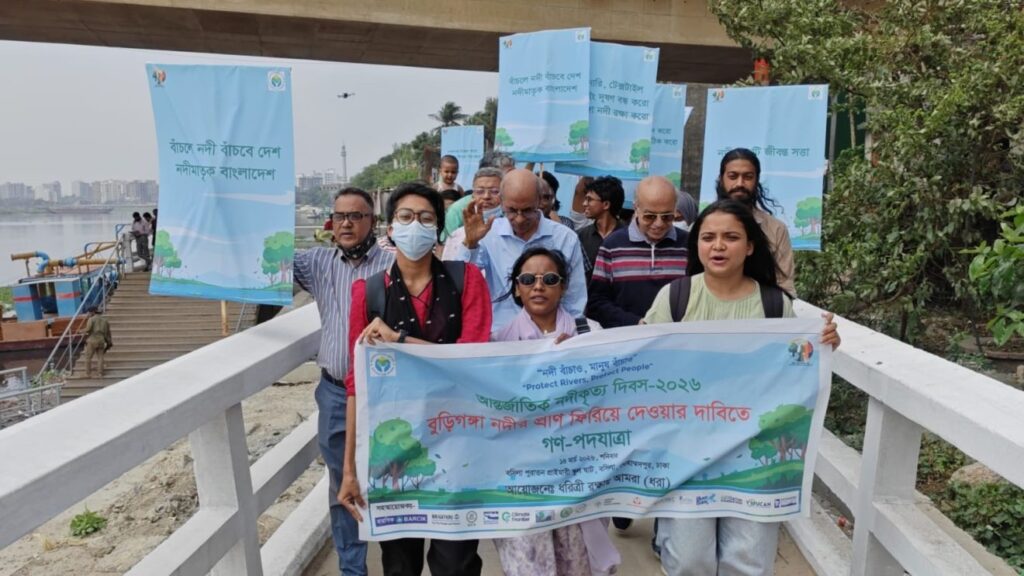
All the way over in Bangladesh, over 20 rallies with thousands of people, where pollution & encroachment stood out as a significant issue. Amongst these rallies was a large congregation at the People’s March in the capital city Dhaka, organised to bring attention to the deplorable condition of the Buriganga river. The Buriganga River as it flows through the city faces several key challenges, including that of illegal encroachment, pollution, and obstruction of the river’s flow. The events across Bangladesh was organized by Dhoritry Rokhhay Amra (DHORA) and Waterkeepers Bangladesh, along 19 environmental and river‑based groups.
When people come together, our rivers can be protected. With our determination and efforts, change can happen. The International Day of Action for Rivers is magical people organized a range of activities as a reminder to protect these life-giving water systems for humans and non-humans, for biodiversity and cultures that transcend generations.
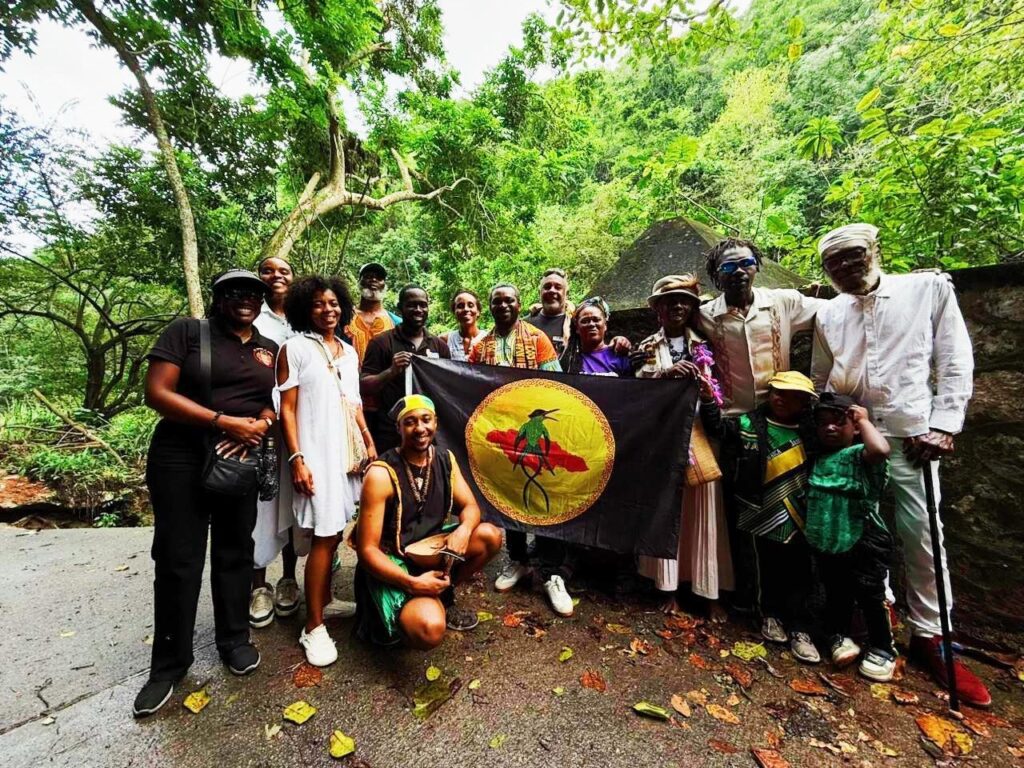
As we zoom across the oceans to Jamaica, the Yamaye Guani Council at Kaimanex Yuke convened a powerful spiritual ceremony to celebrate their river – the Ama Caona (Rio Cobre). Fruits and flowers were offered, as the community recognised the history of industrial abuse of devastating fish kills in the river. The Council, in addition to the spiritual ceremony, has formally amplified the call for Environmental Justice. They have declared that they stand in solidarity with the Jamaica Environment Trust (JET) to demand stronger legal protections for the Ama Caona.
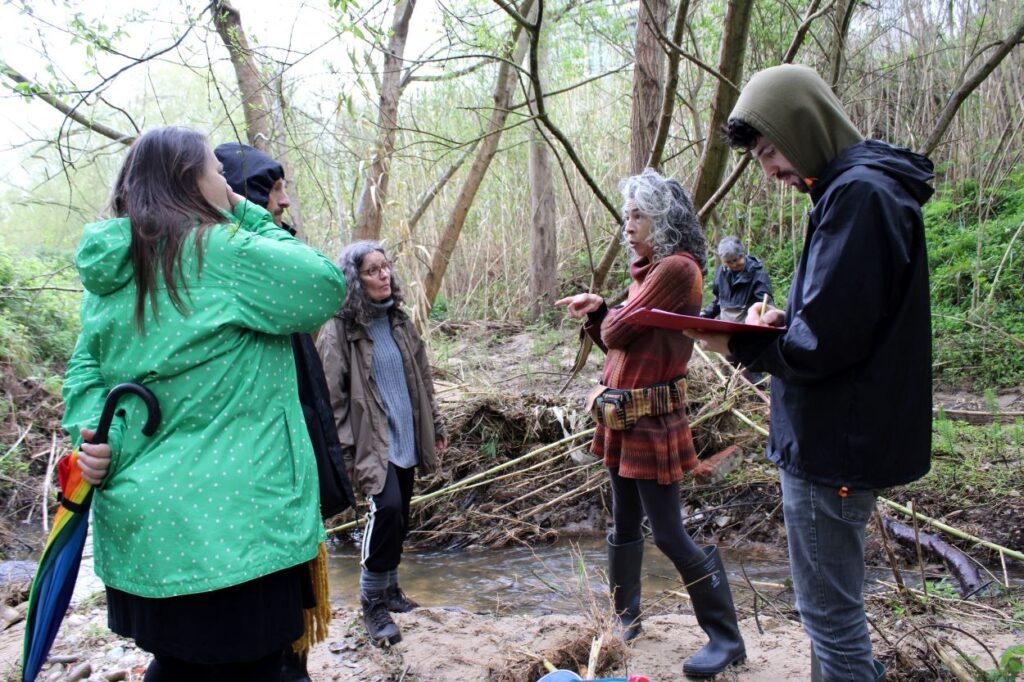
Scientific knowledge along with monitoring of projects is significant as we see over in Caldas da Rainha, Portugal – along the Rio da Cal. The Ágora (Associação Ambiental) conducted a visit to the river, in the Queen’s Caldas, to monitor its state and identify ways to protect it. Following a previous cleanup by community members, they observed a return of macro-vertebrates to the river highlighting the importance of our theme to protect rivers and protect people.
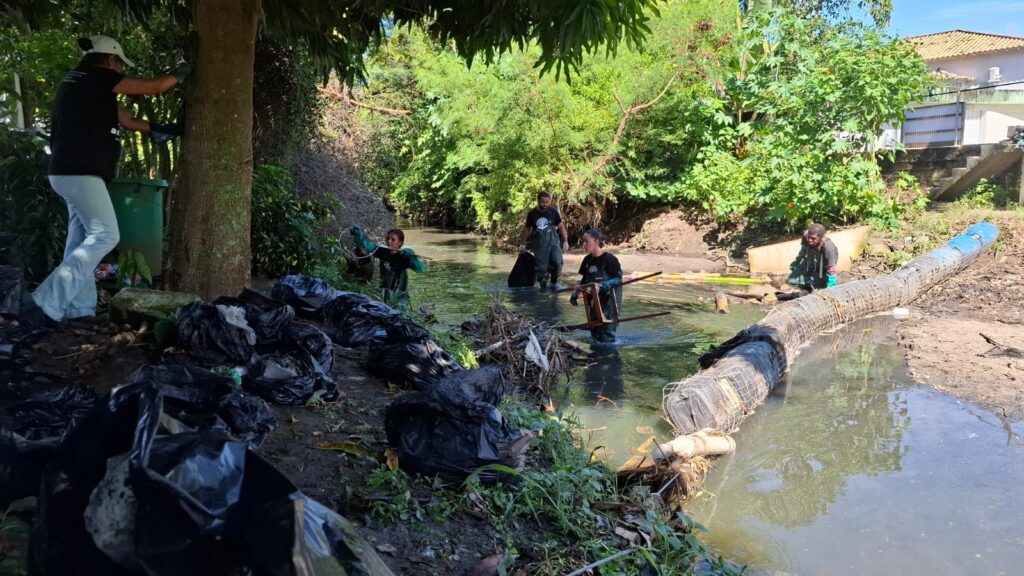
At the João Mendes River eco-barrier site in Itaipu (Niterói), Brazil, members of Amadarcy and other organisations collected, sorted, weighed and documented over 167kgs of trash! The eco-barrier has prevented over 19tons of trash from reaching the Serra da Tiririca State Park and the Itaipu Marine Extractive Reserve.
Across the world, rivers and communities that depend on them are particularly at risk due to large hydropower development and water diversion projects. This was reflected in the campaigns led by communities in countries like Pakistan, India, Thailand, and beyond. A lament for the river’s lost flows, the pain of a thousand cuts and blasts through fragile mountain ranges, is evident.
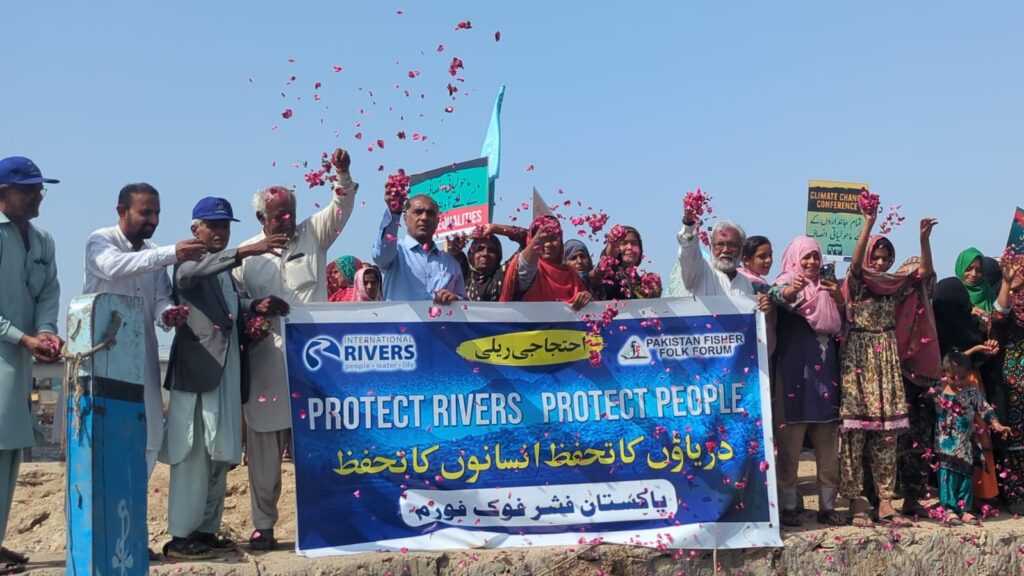
The people of Sindh in Pakistan, organised by the Pakistan Fisherfolk Forum held a protest rally in Karachi. They raised the slogan – “No more dams, cuts and canals on the Indus River”. Already struggling to reach the sea in most months, more diversion projects and canal excavations have been proposed on the Indus. A symbolic showering of flower petals at the mouth of the Indus accompanied their resolve to protect their river.
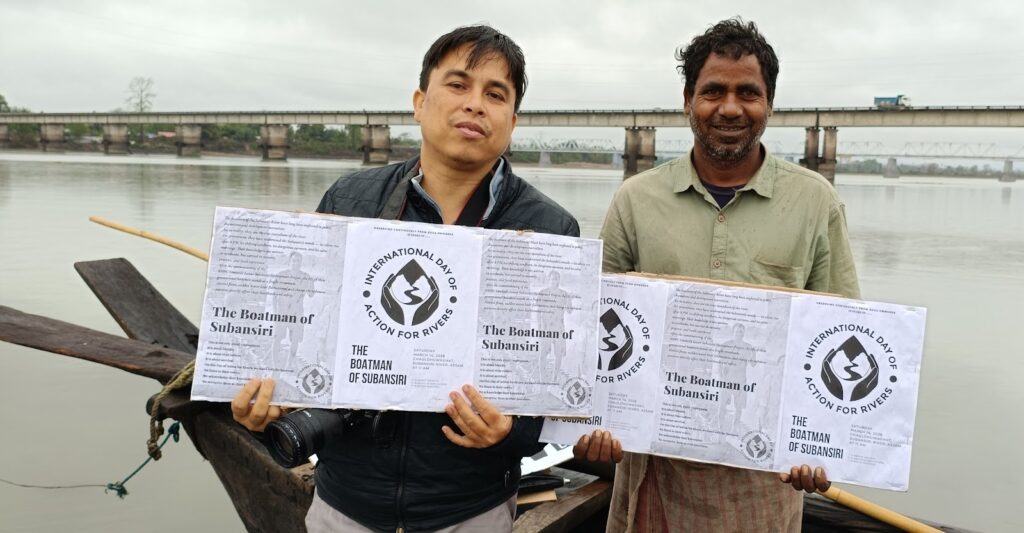
In the North East part of India, in Chauldhuwaghat, Assam, a river activist and a boatman sat in silence. A larger convening of people on the Day of Action was affected due to unexpected unseasonal rainfall. Instead, organiser KK Chatradhara sat in a quiet conversation with boatman Lalon Malah, as he reminisced about what was once a free-flowing river. The Lower Subansiri Hydropower Project upstream has taken control of the river’s flow, and with it the lives of those dependent on the river’s natural pulses. In conversation with the organiser, boatman Lalon highlighted the need for social impact assessments and support for affected communities. He also reminded us of the need for keeping rivers flowing, and the timeless relationship of civilisations and rivers.
In Sikkim, the Lepcha community has been fighting against hydropower development in their fragile mountain ranges for over 20 years. Activists from the Affected Citizens of Teesta highlighted the issues faced by the Teesta River including how it is indigenous knowledge that actually helped in the face of a disaster when a dam burst led to the washing away of bridges. The community built traditional bamboo bridges to maintain the vital connectivity across the river.
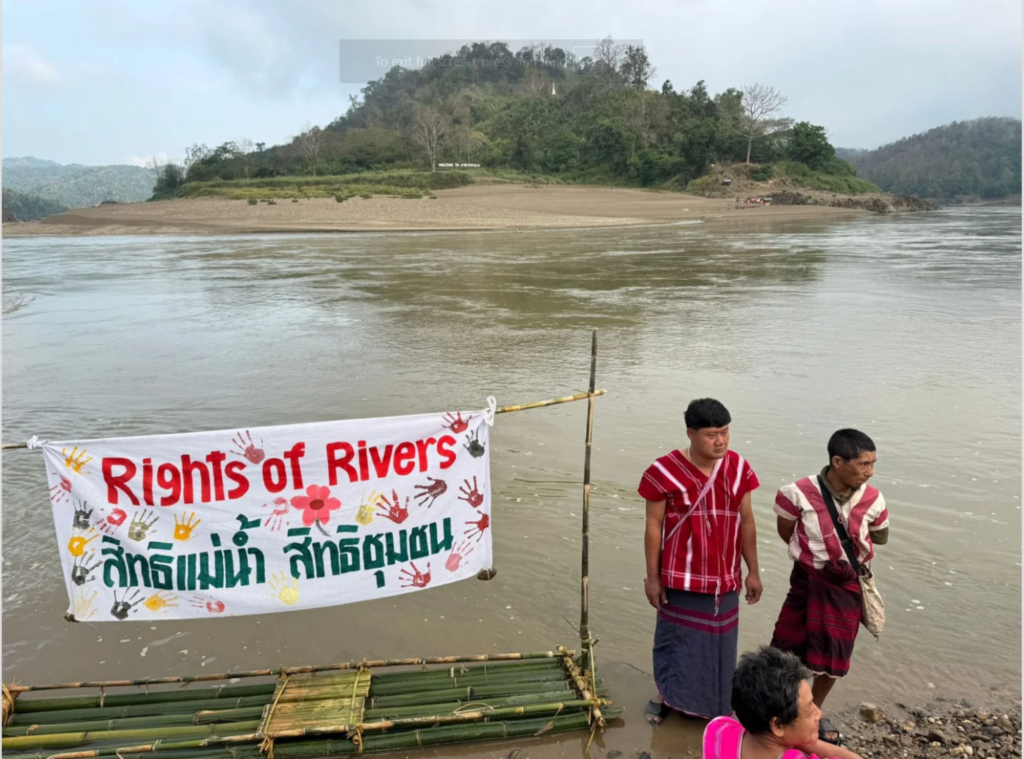
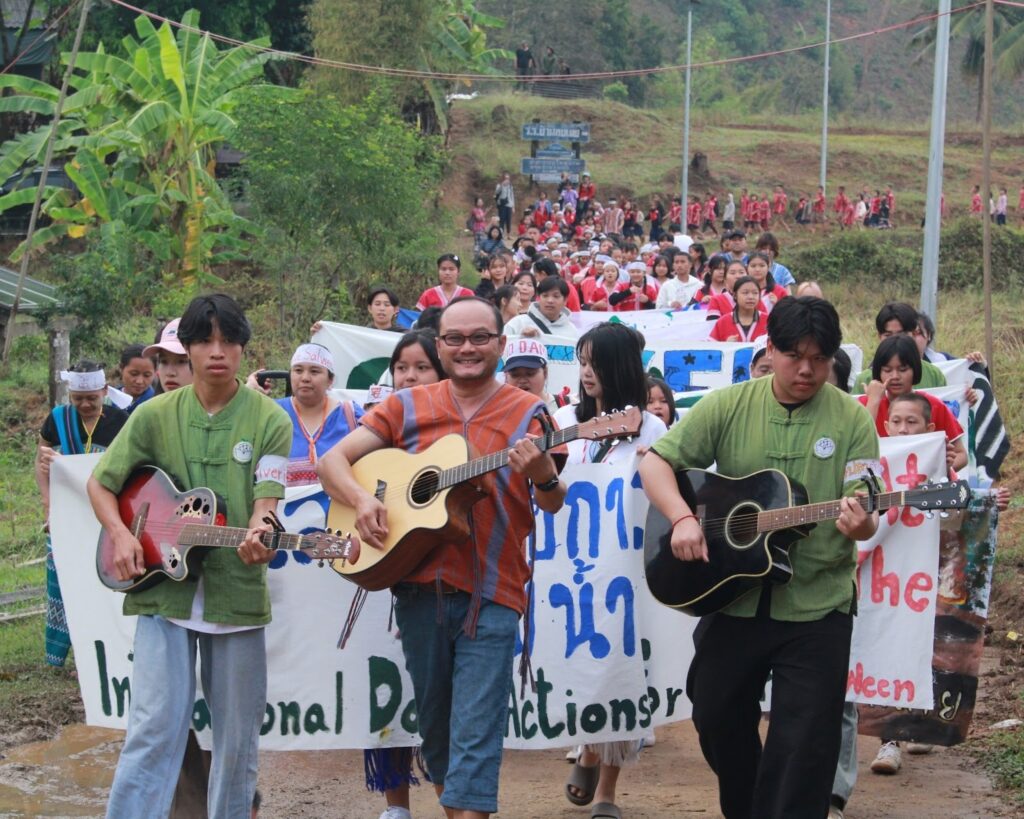
Further East Rivers and Rights along with their partners organized several events to highlight the impacts of large hydro and unchecked rare earth mining that causes devastating transboundary impacts downstream. Mekong People’s Network issued a statement, asserting that hydropower dam projects and mining activities within the Mekong region are adversely impacting ecosystems and community livelihoods.The Network called upon the governments of Mekong riparian nations and the business sector to halt the promotion of new dams, investigate mining activities that may cause transboundary pollution, disclose environmental data, and uphold the public’s right to participate in decision-making regarding the development of the Mekong River. On the Salween river, the annual gathering of communities where the river forms of border between Thailand and Myanmar, communities renewed their call to keep the river flowing freely and put out an urgent call to address contamination in one of the most important rivers in the region.
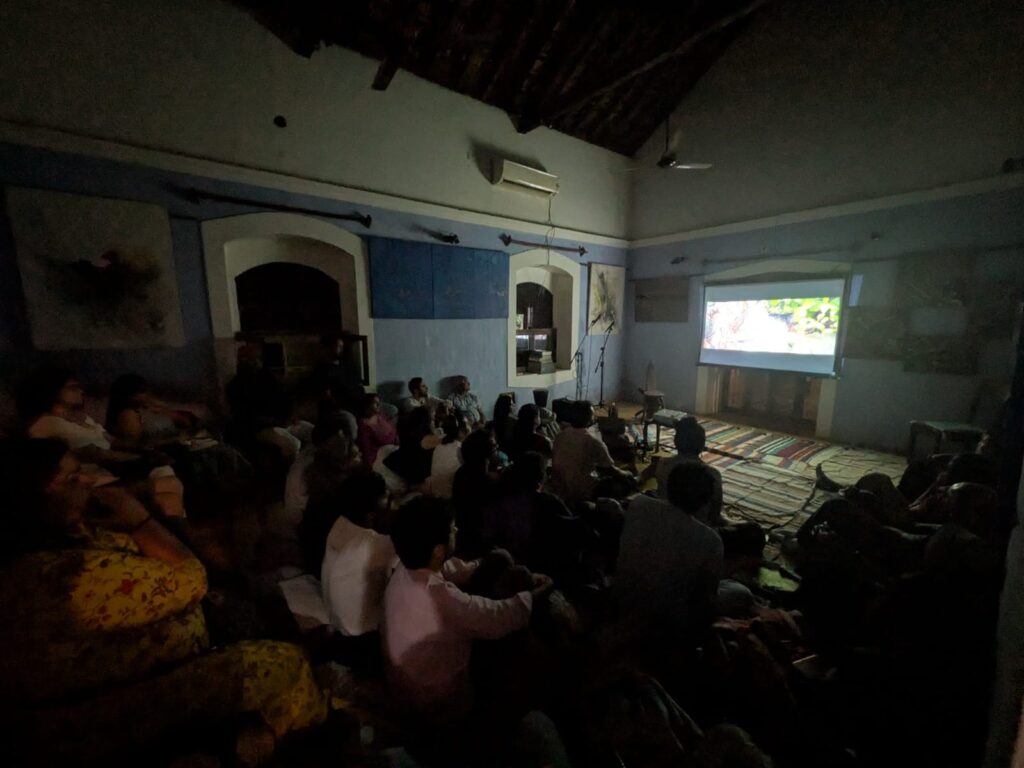
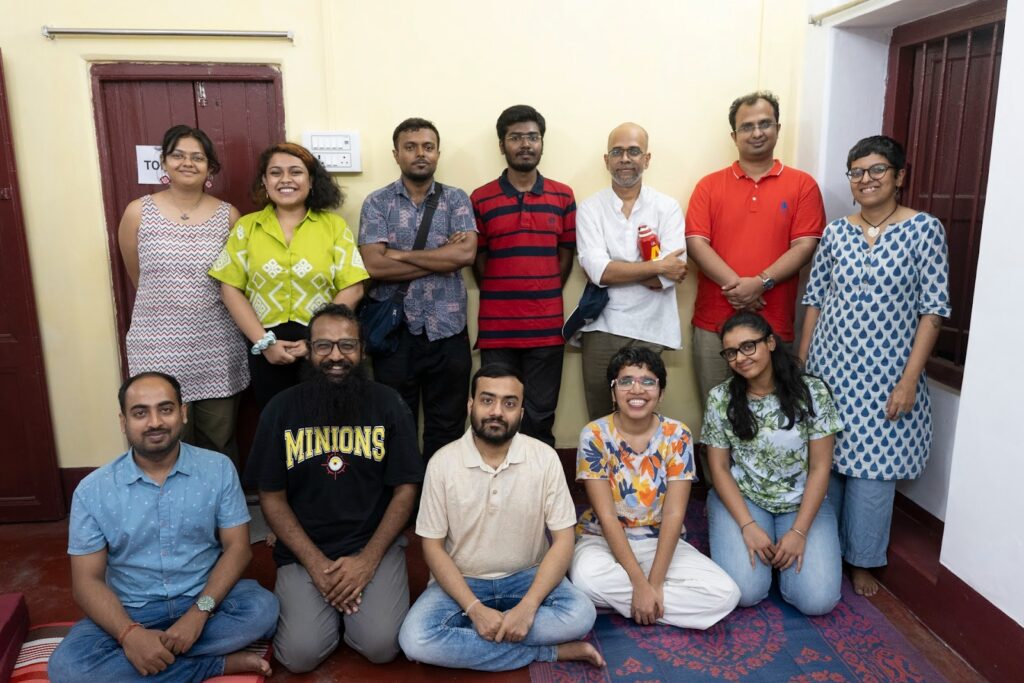
And those that organized in the cities played a special role to reconnect people to nature and the environment through the sharing of poems, reading of literature as we see organized in Kolkata by Veditum India Foundation, and Kolkata Change Makers. In Goa, at Saraya, a powerful discussion on the epistemologicies of empire took place. This empire that continues to tame and “manage”, divert and fragment resources. The Mhadei river is lucky to have people that care about her and the evening was filled with poetry, songs that personifies rivers, alternative solutions that look beyond the current paradigm of assert control over nature, stories, and a remembering of our relationship with rivers.
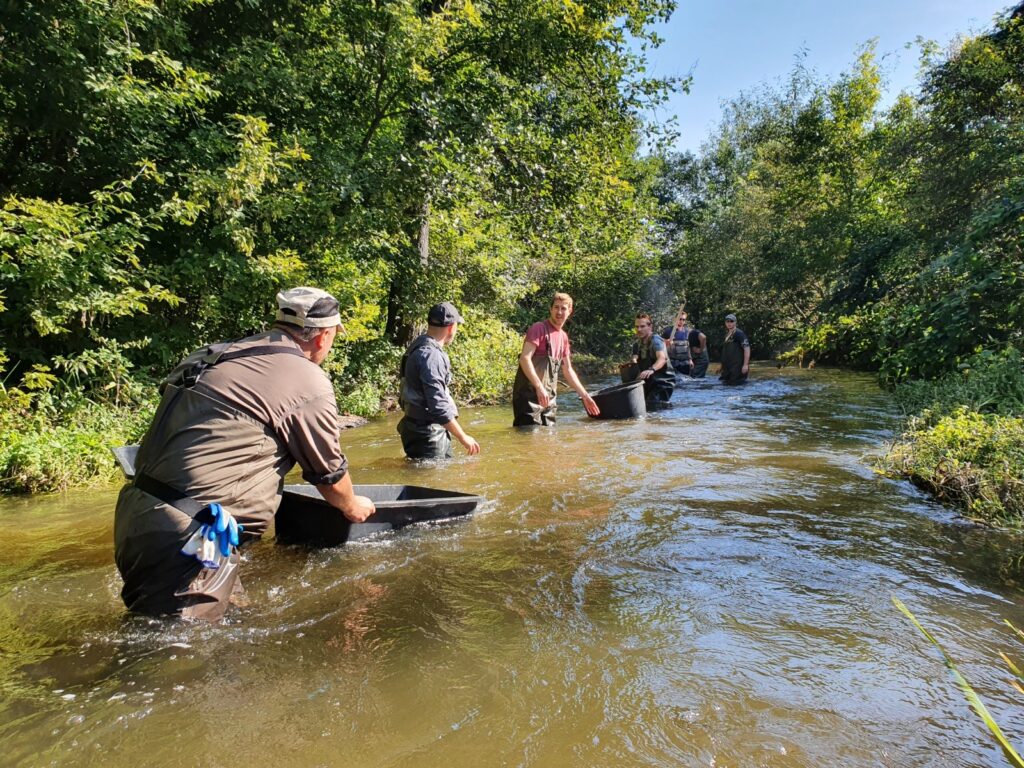
In Poland for example, as part of the world celebrations this year, the Osaba Odra – Committee of the Legislative Initiative “Clean Odra” for the draft law on the recognition of the legal personality of the Odra River – launched a campaign “Call or write to your MP and ask for support for a law recognizing Odra as a legal entity.”
This fight in Poland for the Odra to be recognised as a legal entity has emerged over 2 decades, and stands alongside the efforts being made across the world to award rivers and other natural systems their own rights. One that emerges from their own existence, and not purely in relation to humans.
People experience their rivers in various ways, some acknowledge their lost connection in both the physical and spiritual realms. So many gatherings were accompanied by rituals to celebrate their connection to the river. And as we draw a close to the 29th International Day of Action 2026, we close with the image of a gentle celebration from Cambodia.
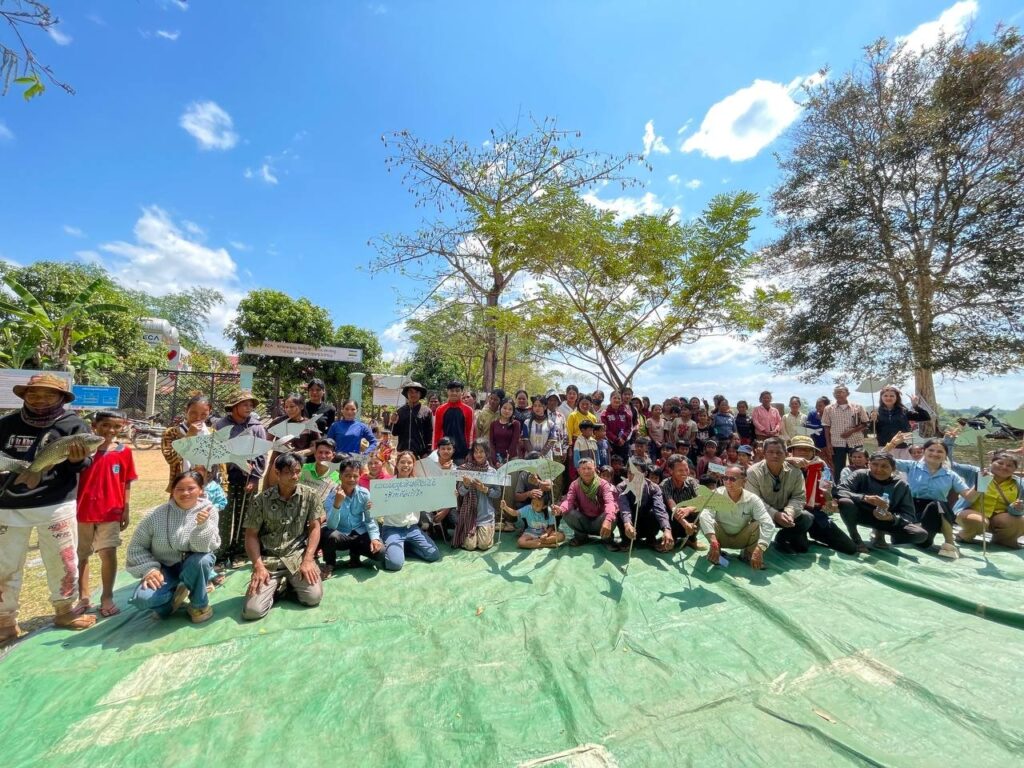
In Koh Chbar and Kompong Pnov villages, Cambodia along the Mekong river – youth, children, community forest, fishery community folks, monks, and the community members – gathered together to celebrate the Mekong river and prayed for the river and people. The children and youth performed the Cambodian traditional dance along with music to express gratitude to the river. Decorative boats with some messages for the Mekong were set afloat on the river.
When rivers are polluted, over-extracted, diverted, or blocked by destructive infrastructure, it is vulnerable communities and river ecosystems that suffer first. Protecting rivers is not only about safeguarding human well-being; it is about defending biodiversity, strengthening climate resilience, and securing a just and livable future for generations to come.
But as is testament in this 29th year of the International Day of Action for Rivers, it is a reminder that people continue to remain steadfast in their commitments to protect their rivers. Whether it’s against pollution, damming, encroachment, diversion, over-extraction, or the general neglect of rivers. And we continue with our regular campaigns, communities continue to show us the way. Through the celebrations of their rivers, they remind us that the story of people is deeply connected to the story of rivers.
More pictures and events can be found on our Flickr
