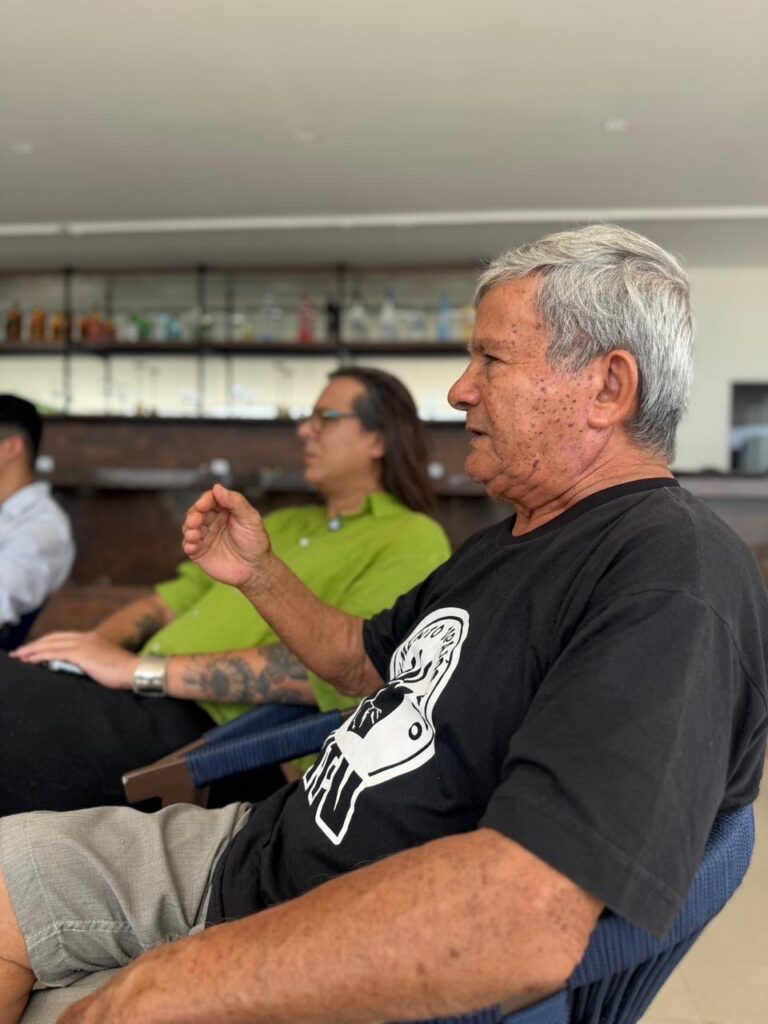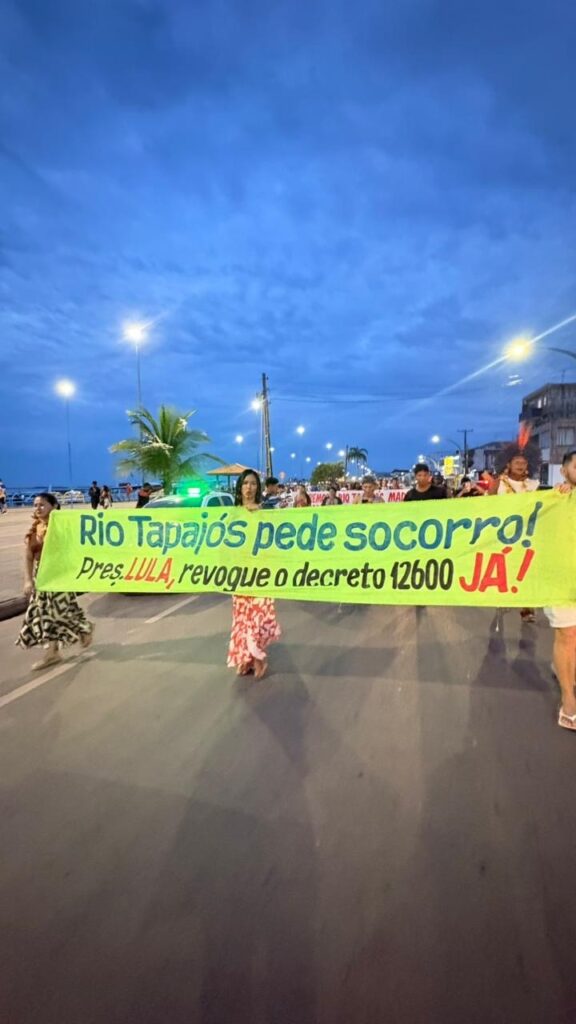
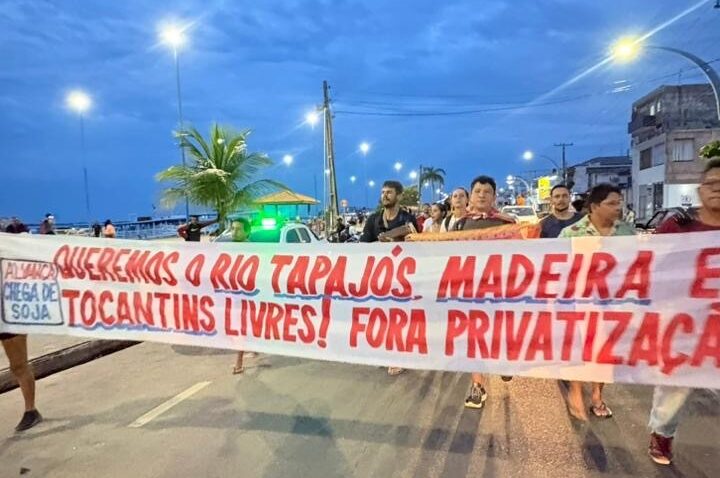
Across Brazil’s Lower Tapajós region, Indigenous peoples, traditional communities, and civil-society allies are mobilizing to defend the Tapajós River Basin – one of the Amazon’s largest free-flowing freshwater systems and a region critical to biodiversity, climate stability, and the cultural survival of river-dependent peoples. At the center of this movement is Movimento Tapajós Vivo, a coalition working to protect the basin’s ecosystems, territories, and collective rights. The movement is also a key partner of International Rivers in broader efforts to defend free-flowing rivers and uphold the rights of communities across the Amazon, while bringing national and international visibility to mounting environmental and human-rights concerns.
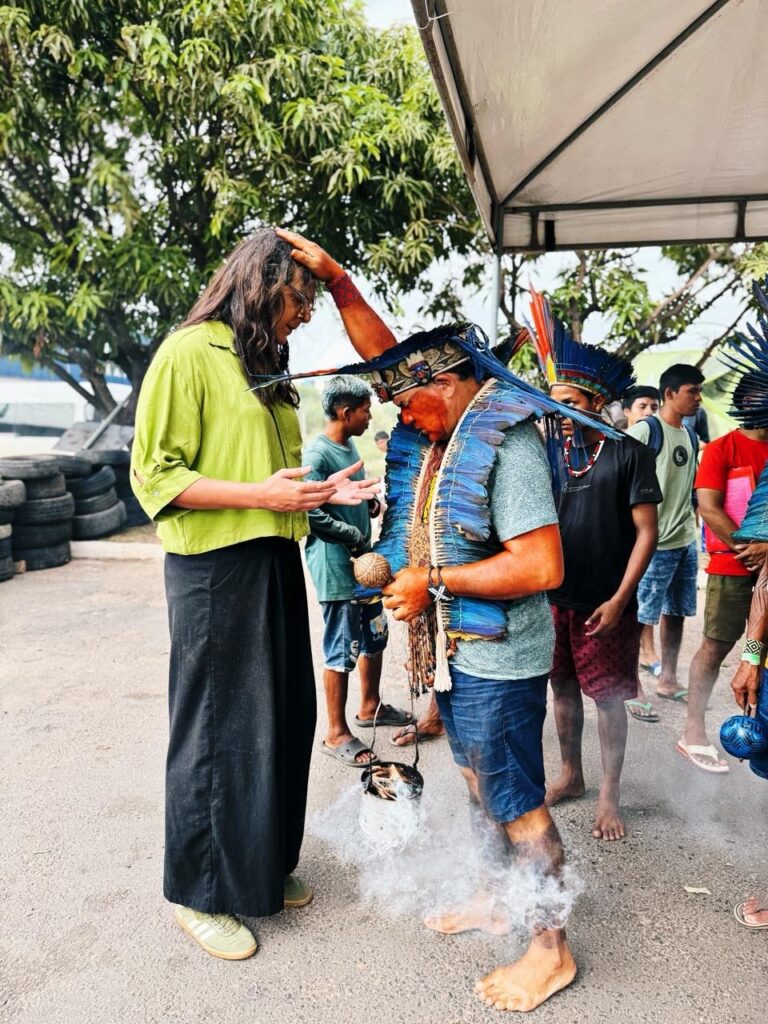
The coalition’s recent statement accompanies the ongoing Indigenous-led occupation of the Cargill grain port in Santarém, which denounces a proposed R$ 74.8 million dredging project, the absence of Free, Prior and Informed Consultation, and the accelerating transformation of the Tapajós into a logistics corridor serving global commodity exports. These pressures compound a decade of expanding export infrastructure that has concentrated river traffic to more than 100 barges and around 15 pushers, intensifying risks to water quality, fisheries, food security, and protected territories throughout the basin.
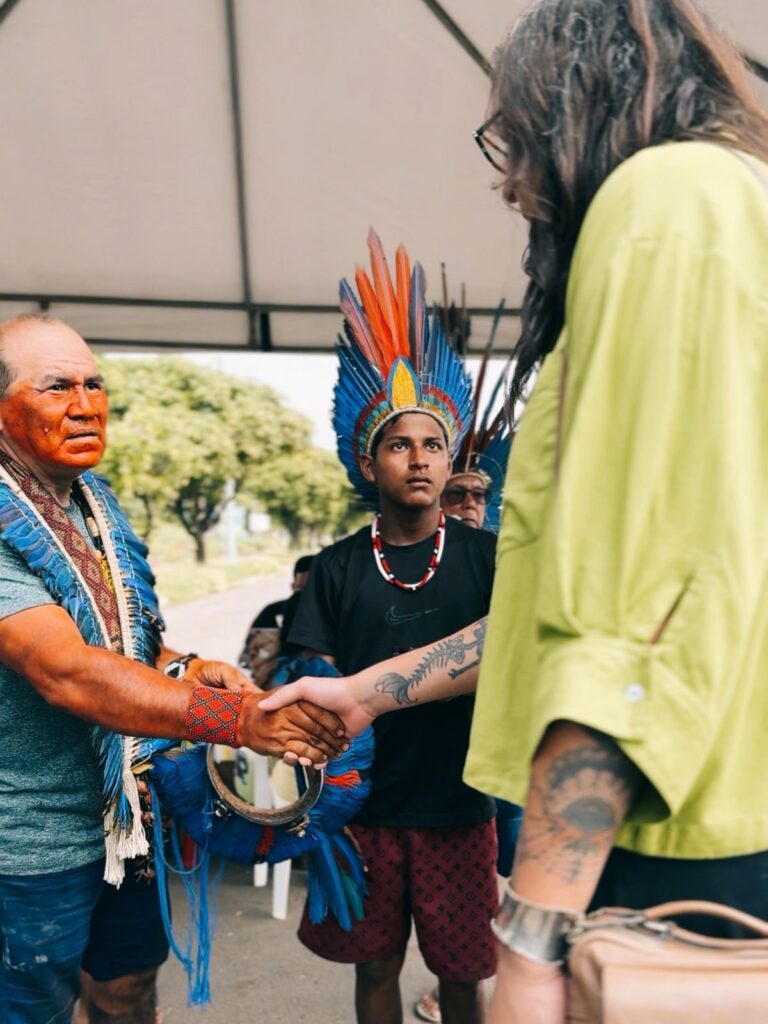
The growing mobilization led by the Indigenous Organizations of Tapajós – now drawing political visits and widening international attention – underscores that the future of the Tapajós River Basin is not only a local or national concern, but a global test of environmental justice and the protection of the world’s remaining free-flowing rivers.