
Mesoamerica extends from central Mexico south along the Middle American isthmus. It’s the cradle of one of the world’s most advanced ancient civilizations, a region marked by diverse but linked cultures and vibrant riverine ecosystems. This region gave rise to numerous important domesticated crops, including corn, beans, squash, tomatoes and cotton. It’s also home to remarkable ecosystem diversity, from arid highlands to sub-tropical lowlands.
The second-largest rainforest in the Americas, after the Amazon, is found in Honduras and Nicarauga: La Mosquitia.
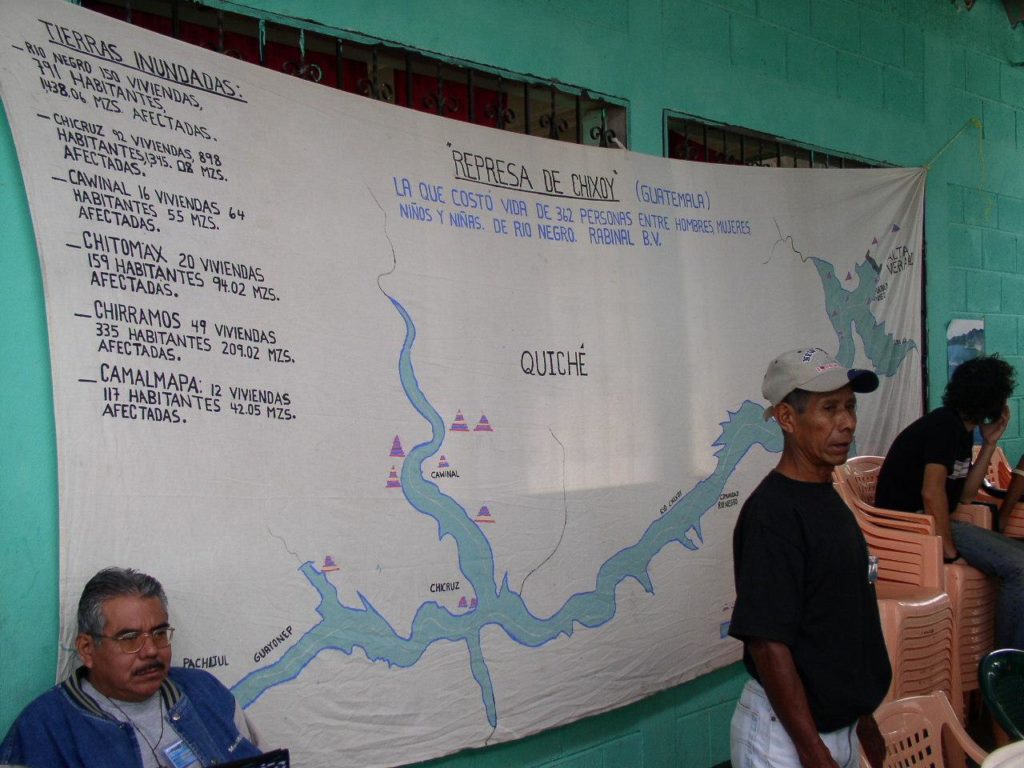
Hydropower projects have brought human rights abuses in their wake, however. One of the worst crimes occurred in Guatemala, where thousands of people were displaced and hundreds kidnapped and massacred to make way for the Chixoy Dam in the early 1980s.
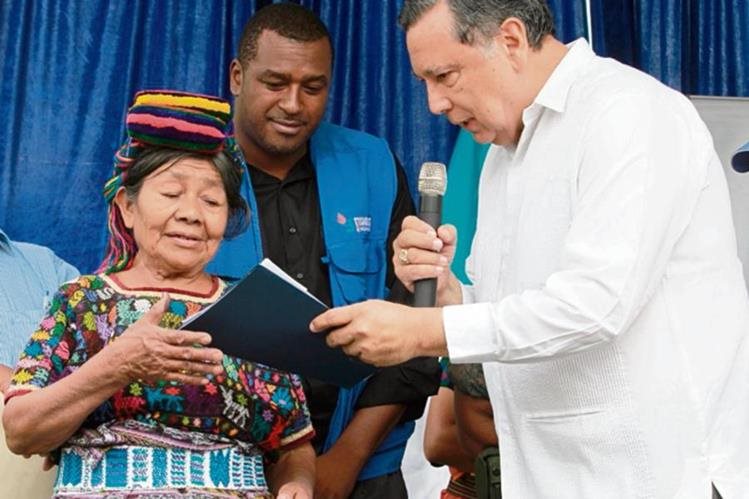
We fought for reparations for survivors of the Río Negro massacres for years; the first reparations checks were finally cut in 2015, more than three decades after the atrocities. We have also helped successfully protect river communities along Mexico’s Papagayo River and Honduras’ Patuca River from harmful dam development.
Still, hundreds of proposed large dams, planned with very little transparency under the Mesoamerica Plan, continue to threaten the rivers of Central America and Mexico, along with the economies of communities that rely on these rivers for their livelihood. The dams would impact fish stocks and coastal ecosystems, wetlands and mangroves that contain many plant and animal species, some still undiscovered.
Our Work in Mesoamerica
A growing civil society movement questions the Mesoamerica Plan. Communities are concerned about the systematic exclusion of rural populations in the decision-making process, and the profound impacts on communities, ecosystems and local economies.

Swimming in the Changuinola River in La Amistad, Panama | Photo by: Hugo Sanchez and Marcio Bonilla. 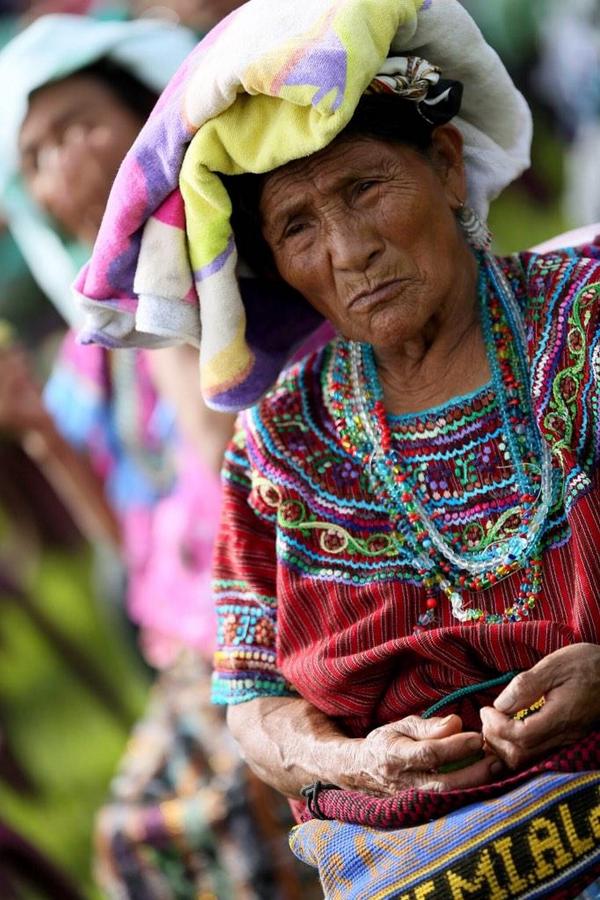
A Mayan Achi Elder | Photo by Otto Perez

Related Resources
Latest Updates
- International Rivers Congratulates Communities from Temacapulin, Palmarejo and Acasico
 After 16 years of a fight led mainly by women activists, Mexican communities halted the Zapotillo Dam System, stopping the project of flooding their ancestral lands. For the past 16…
 - Healing Begins for the Maya Achi People of Guatemala
 By: By Monti Aguirre, Latin American Program Director On Saturday, March 13, 1982, a young Maya Achi man named Carlos Chen’s life was forever altered. That day, he painfully learned that…
 - Damming the Patuca
 By: Monti Aquirre, Latin America Program Director In 1998, I traveled to Honduras at the request of representatives from the Tawhaka indigenous people, who live by the Patuca River. The…
 - Chixoy Reparations at Last: Checks Are In
 By: Monti Aquirre, Latin America Program Director A ceremony to honor Mother Earth was the first thing the Maya Achí did when they learned their first reparations checks were going…