Solutions

Environmental Flows

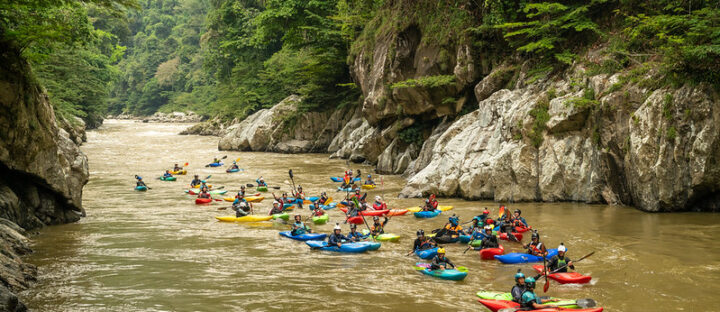
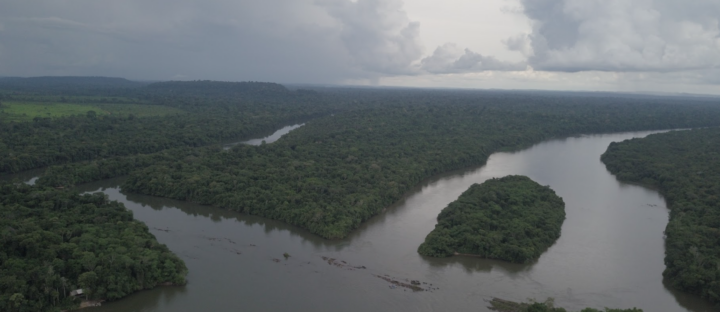
Rio Pascua, Patagonia
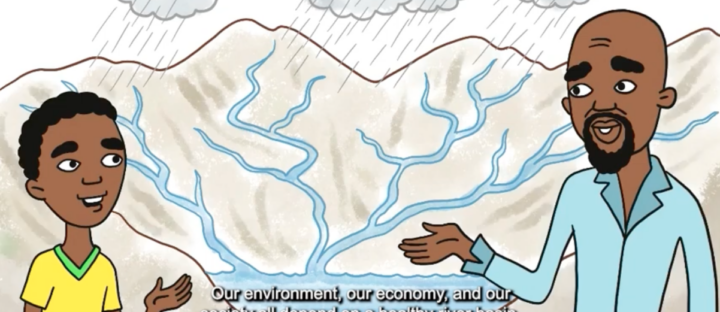
A river's flow is its heartbeat. Freshwater plants and animals have evolved with, and depend upon, natural patterns of hydrological variability. Naturally high and low water levels create habitat conditions essential to reproduction and growth, and drive ecological processes required for ecosystem health. Flood pulses move sediment that maintains the form and function of rivers. Seasonal inundation of floodplains and wetlands supports groundwater recharge. And the flow of freshwater to estuaries prevents saline intrusion into coastal aquifers. We all depend on healthy river flows.

Strengthening Standards

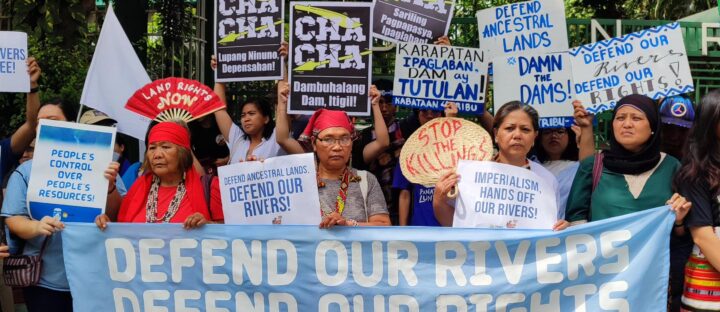
Costa Rican national forum against dams
Dams can degrade ecosystems, displace communities, flood forests and farmland, and create unsustainable debt burdens. Strict social and environmental standards are needed to identify water and energy projects that best address the needs of society, the environment, and the economy. We promote effective standards at the World Bank Group and other government and financial institutions, and defend existing high standards against a backlash from the dam industry.

The Movement for Rivers and Rights

A few members of ARN at the Bujagali dam site (2006).
Since our founding in 1985, International Rivers has always served to network and build the international movement of dam-affected people, social movements, NGOs and academics who work to stop destructive dams, protect rivers, defend community rights and advance truly sustainable solutions at the confluence of water and energy policy. Our regional and international networks have become one of the most effective and sustained civil society movements, representing the interests of the estimated 10% of humanity that has been directly impacted by dams.

Flood Management: The Soft Path

New Orleans under water, 2005. Photo: FEMA
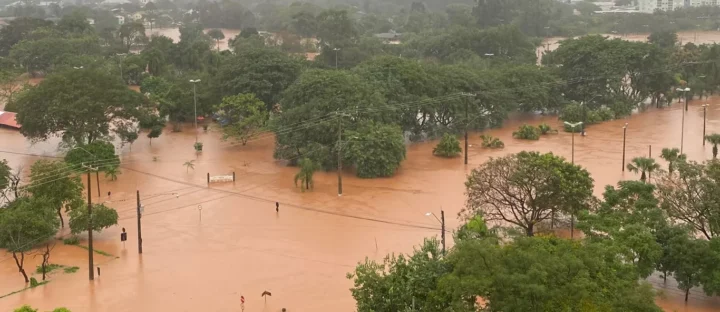
Floods are the most destructive, most frequent and most costly natural disasters on earth. Damages continue to soar despite huge expenditures on flood control structures. Dams and levees can never be fail-proof, and when they fail, they do so spectacularly. Climate change is expected to dramatically increase flood risk. "Soft-path" flood risk management seeks to respond to hydrological changes rather than control them. It is based on an understanding that all floods are not inherently bad – indeed, floods are essential for the health of riverine ecosystems.

Dam Removal

A dam is not forever. Today, more communities than ever are considering the option of removing or modifying dams that have damaged local riverine ecosystems, outlived their usefulness, or become a safety hazard. However, there are a range of ways to restore a dammed river, from fully removing the structure to modifying its operation. Decommissioning of dams has primarily taken place in the US and Europe, but the trend is going worldwide, as climate change makes the safety of dams and the high cost of retrofitting them a serious argument for removal.

Water and Energy Solutions

Water & Energy Solutions
There are often better, cheaper, less-destructive alternatives to building a large dam for meeting energy or water needs. These solutions – from small-scale, decentralized water supply and new renewables, to large-scale efficiency and conservation options – are frequently dismissed when a large dam is on the table. We advocate for comprehensive, participatory processes to first evaluate the need, followed by similarly open public assessments of the full range of options to meet those needs.
Subscribe to RSS - Solutions

Facebook

Twitter

Mailing lists

We offer many campaign-specific email lists to help you stay informed.

Sign up for urgent campaign actions and NewsStream: